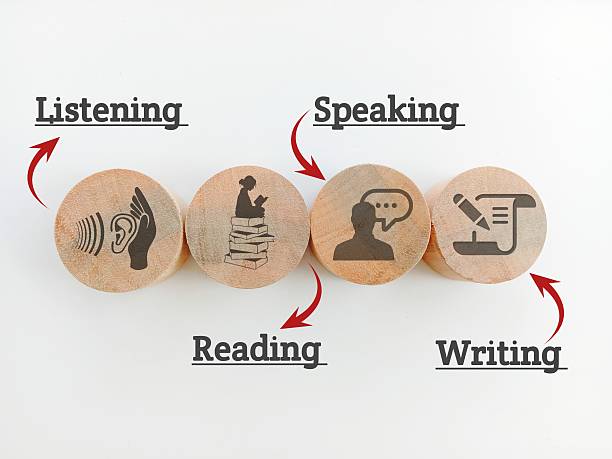
Academic writing is more than just presenting information; it’s about communicating ideas in a clear, logical, and structured manner. One of the key elements that determines the quality of academic work is coherence the smooth and connected flow of thoughts from one sentence and paragraph to the next. Whether you are working on essays, dissertations, or research reports, mastering coherence ensures your writing is easy to read and understand.
Below, we’ll explore practical strategies to strengthen coherence in academic writing, making your arguments more persuasive and your papers more professional.
Understanding the Importance of Coherence
Coherence is the backbone of effective academic writing. It ensures that each idea connects seamlessly with the next, creating a unified and logical flow. Without coherence, even well-researched and well-written papers can appear disjointed and confusing.
When your writing lacks coherence, readers struggle to follow your argument or identify your main points. Conversely, coherent writing helps readers grasp your ideas effortlessly, improving comprehension and engagement. Coherence is especially critical in longer academic works, such as dissertations or research projects, where maintaining flow across chapters is challenging but essential.
Use Logical Structure and Transitions
Explore resources like essay writing service uk to refine structure and enhance flow in academic writing.
A well-organized structure is the foundation of coherent writing. Academic papers should follow a logical sequence where each section contributes to the central argument or objective. Begin by planning your outline, ensuring that your introduction presents the main idea, the body supports it with evidence, and the conclusion reinforces it.
1. Craft Clear Topic Sentences
Each paragraph should begin with a topic sentence that introduces the main idea. This helps readers understand what to expect and how it connects to your overall thesis. For instance, if your thesis discusses the effects of climate change on agriculture, each paragraph should address one specific aspect such as crop yield, soil fertility, or irrigation systems.
2. Use Transitions Effectively
Transitions act as bridges between sentences and paragraphs, guiding readers through your argument smoothly. Words like furthermore, however, consequently, and in contrast indicate relationships between ideas, whether they’re additive, comparative, or causal.
For example:
-
Without transitions: “Students struggle with writing. Teachers often don’t teach structure.”
-
With transitions: “Students struggle with writing; however, this is often because teachers don’t provide clear guidance on structure.”
3. Maintain a Consistent Flow of Ideas
Avoid abrupt changes in tone, subject, or perspective. Each idea should naturally lead into the next, maintaining thematic consistency. When moving from one point to another, make sure the connection between them is explicit, not implied.
Maintain Consistency in Tone and Style
Coherence is not only about logic it’s also about uniformity in style. Consistent tone, tense, and perspective help create a sense of unity in academic writing.
1. Choose the Right Voice
Most academic writing favors the third-person perspective for objectivity and professionalism. Avoid switching between first-person (“I believe”) and third-person (“the study shows”) unless your assignment specifically allows personal reflection.
2. Maintain Tense Consistency
Stick to a consistent verb tense throughout your paper. Typically, past tense is used to describe previous research (“Smith found that…”), while present tense may describe general truths or established facts (“Water freezes at 0°C”). Inconsistency in tense can confuse readers and disrupt flow.
3. Keep Style Academic and Formal
Academic coherence also depends on tone. Avoid slang, contractions, and overly casual expressions. Instead of saying “kids,” use “children”; replace “a lot of” with “many” or “numerous.” A consistent academic tone keeps your writing polished and professional.
Use Cohesive Devices for Smooth Connections
Cohesion and coherence go hand in hand. Cohesive devices also called linking words or connectors tie sentences and ideas together. They help clarify relationships between points and make your writing more readable.
Examples of Cohesive Devices
-
Addition: moreover, in addition, furthermore, also
-
Contrast: however, although, on the other hand, nevertheless
-
Cause and effect: therefore, consequently, as a result, thus
-
Sequence: first, next, then, finally
-
Illustration: for example, for instance, such as
Use Pronouns and Repetition Wisely
Repeating key terms and using pronouns appropriately can strengthen cohesion. For instance, if you introduce “artificial intelligence” in one sentence, you can use “it” in the next ensuring readers understand that both refer to the same concept. However, avoid overusing pronouns, as excessive repetition or ambiguity can weaken clarity.
Strengthen Paragraph Unity
A paragraph achieves unity when all its sentences revolve around one central idea. Lack of unity when irrelevant details are included can confuse readers and disrupt coherence.
1. Eliminate Irrelevant Information
Avoid including unrelated facts or examples that do not directly support your argument. Every sentence should serve a clear purpose and contribute to the paragraph’s main idea.
2. Use Parallel Structure
Parallel structure, or parallelism, involves using the same grammatical pattern for related ideas. This technique enhances readability and emphasizes relationships between points.
For example:
-
Weak: The study aims to test the hypothesis, analyzing data, and conclusions are drawn.
-
Strong: The study aims to test the hypothesis, analyze data, and draw conclusions.
Parallelism adds rhythm and balance to your writing, making it more coherent and persuasive.
Develop Clear Connections Between Sections
In academic writing, coherence should extend beyond sentences and paragraphs it should connect entire sections. Readers should be able to see how each chapter, argument, or subsection contributes to the overall thesis.
1. Use Linking Phrases Between Sections
Phrases like Building on the previous discussion or In contrast to the earlier findings remind readers of earlier points and show how new information fits into the broader context.
2. Reinforce Your Thesis Throughout
Occasionally revisiting your thesis statement helps readers stay oriented. This doesn’t mean repeating it word-for-word, but restating it with new insights or evidence to maintain focus.
Edit and Revise for Coherence
Even the best writers need multiple revisions to achieve clarity and coherence. Revising allows you to identify gaps, redundant ideas, or weak transitions.
1. Read Aloud or Use Peer Review
Reading your paper aloud helps you notice awkward phrasing or abrupt transitions that might interrupt flow. Alternatively, asking a peer or mentor to review your work can provide fresh perspective on whether your ideas connect logically.
2. Use Writing Tools and Feedback
Online grammar and writing tools can assist in spotting coherence issues like sentence fragments, inconsistent phrasing, or unclear transitions. However, human feedback remains invaluable, as tools can miss contextual nuances.
3. Check Paragraph Order
Ensure each paragraph follows a logical progression that supports your central argument. You can use an outline to verify that your paper’s structure aligns with your thesis and that no sections feel misplaced or redundant.
Conclusion
Coherence is what transforms ordinary academic writing into clear, persuasive, and impactful communication. By organizing your ideas logically, maintaining consistent tone and style, using cohesive devices, and revising carefully, you can significantly enhance the clarity and professionalism of your writing.
Remember, coherent writing doesn’t happen by chance it’s a skill developed through practice, structure, and thoughtful editing. The more you refine this skill, the stronger and more credible your academic work will become.