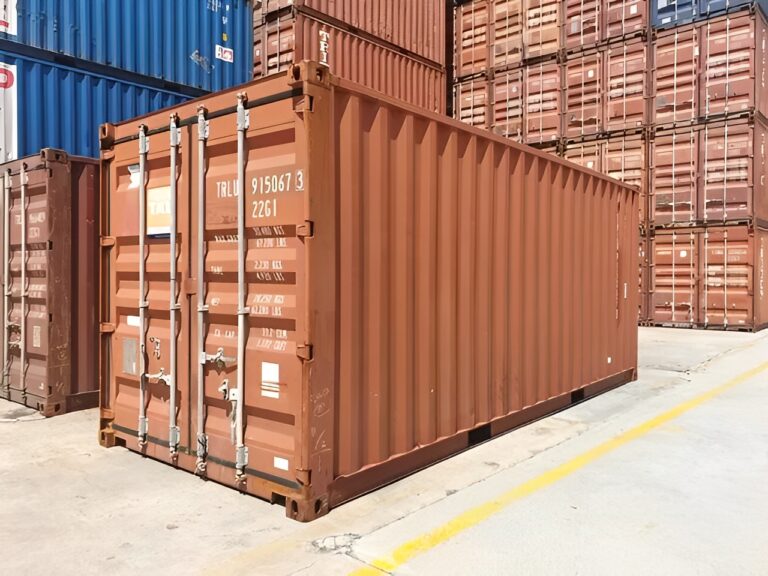
The container home market has matured significantly over the past few years, moving from experimental projects by architectural adventurers to a genuine segment of the housing market with established design languages, experienced builders, and a growing body of completed projects to learn from. Shipping container homes for sale in 2025 reflect a design vocabulary that is increasingly sophisticated and diverse.
Here are the trends that are most visibly shaping container home design right now.
Blended Construction: Containers Plus Conventional
One of the most visually interesting trends in container home design is the blending of container modules with conventional construction. Rather than using containers as the entire structure, designers are combining steel container modules with wood frame additions, glass connectors, and conventional rooflines to create hybrid buildings that use the container for its structural strength and economy while conventional construction provides the spatial flexibility and visual warmth that pure container designs sometimes lack.
The results are often stunning, with the industrial character of the containers providing contrast against more organic materials and forms.
Biophilic Design Integration
Biophilic design, which emphasizes connecting the built environment with nature, has become influential across all architecture sectors, and container homes are no exception. Large windows, green roofs, living walls, and deliberate integration of natural materials inside the container shell are all appearing more frequently in high quality container home projects.
For the 20 foot shipping container format specifically, connecting a compact interior to a thoughtfully designed outdoor space through large openings creates a biophilic experience that makes the small interior feel much less limiting.
Off Grid Ready Design
As concern about energy independence and environmental impact grows, off grid capable container homes have become increasingly popular. Solar panel integration, rainwater collection, composting toilet systems, and battery storage solutions are being designed into container homes from the start rather than added as afterthoughts.
A well designed off grid container home can operate fully independently of utility infrastructure, which makes it suitable for remote rural sites where utility connections would be prohibitively expensive, and for buyers who prioritize energy independence for philosophical or practical reasons.
Multi Container Compounds
Rather than single container homes, the trend toward multi container compounds, where several containers are arranged around a shared outdoor space to create a campus style living arrangement, is gaining traction. These designs allow for dedicated containers serving different functions: sleeping, cooking, working, and socializing each in their own module, with the outdoor space connecting them into a cohesive home.
This approach suits properties with adequate land and buyers who prefer flexibility and the ability to expand incrementally rather than committing to a large single structure from the start.
Conclusion
Container home design in 2025 is more creative, more sophisticated, and more varied than at any previous point in the movement’s history. Whether you are drawn to minimalist industrial aesthetics or a warmer, more nature integrated approach, there are container home design directions that will resonate. AM Shipping Containers provides quality base units that give these design visions their best starting point.