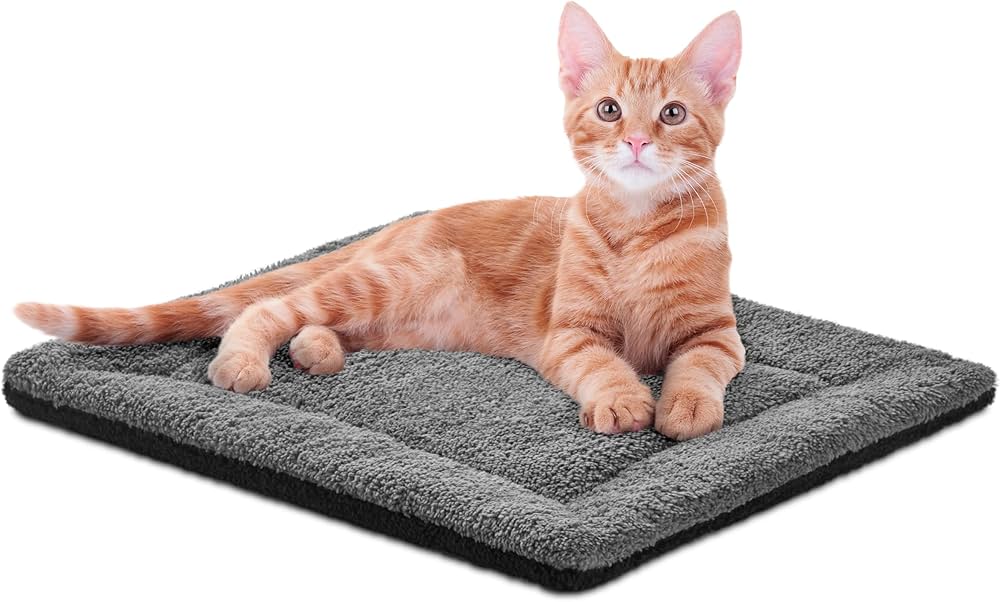
As winter settles across the UK and energy bills climb, many cat owners find themselves wondering how to keep their feline friends warm without breaking the bank or compromising safety. The sight of your cat shivering in a draughty corner or monopolising the radiator suggests they need extra warmth, but what’s the best solution?
Two popular options dominate the market: electric heating pads designed for pets and self-warming cat beds that require no electricity whatsoever. While both promise to keep your cat cosy through chilly British winters, they work in fundamentally different ways and come with distinct advantages and drawbacks. Understanding these differences can help you make an informed choice that prioritises your cat’s safety, comfort, and your household’s energy efficiency.
How Electric Heating Pads Work
Electric heating pads for pets function similarly to human heating pads, using electrical coils or wires embedded in fabric to generate heat. You plug them into a standard UK socket, and they warm up to a preset temperature, typically between 25-40°C depending on the model and settings.
Modern pet heating pads often include safety features like automatic shut-off timers, chew-resistant cords, and thermostatic controls to prevent overheating. Some premium models offer adjustable temperature settings, allowing you to customise the warmth level based on your cat’s preferences or the ambient room temperature.
The appeal is straightforward: consistent, controllable heat that doesn’t depend on your cat’s body temperature. For elderly cats with arthritis or those recovering from illness, this reliable warmth can provide genuine therapeutic benefits, soothing stiff joints and promoting circulation.
How Self-Warming Cat Beds Work
Self-warming cat beds take an entirely different approach, using no electricity, batteries, or external power source. Instead, they rely on innovative reflective technology combined with insulating materials to capture and redirect your cat’s own body heat.
The secret lies in the bed’s construction. A layer of heat-reflective material, typically a mylar-type thermal fabric similar to emergency blankets, is incorporated beneath the sleeping surface. When your cat lies down, their body naturally radiates heat. Rather than dissipating into the air or being absorbed by ordinary bedding, this heat bounces back toward your cat, creating a warm microclimate around them.
The insulating layers work in tandem with the reflective material to trap this warmth, preventing it from escaping through the bottom or sides of the bed. The result is a noticeably warmer sleeping surface that requires nothing more than your cat’s presence to activate.
Think of it like wearing a thermal jacket on a winter walk. Your body generates heat naturally, and the reflective lining prevents that warmth from escaping, keeping you comfortable without any external heat source. Self-warming beds apply this same principle to feline comfort.
Safety Considerations: A Critical Comparison
When it comes to keeping our cats safe, the differences between these two heating solutions become stark and significant.
Electric heating pad risks include:
Electrical hazards top the list. Cats are notorious chewers, and even “chew-resistant” cords can fall victim to determined felines. A single bite through a live wire could result in electric shock, serious burns, or even electrocution. Water presents another danger. Cats occasionally have accidents, knock over water bowls, or track moisture onto their beds. Water and electricity make a potentially lethal combination.
Overheating poses a genuine risk, particularly for cats who sleep deeply or have reduced mobility. While modern pads include automatic shut-offs, malfunctions do occur. Cats can suffer burns if left too long on excessively hot surfaces, and some may not move away even when uncomfortable, especially if elderly, ill, or deeply asleep. Fire hazards, though rare with quality products, cannot be entirely dismissed. Faulty wiring, manufacturing defects, or prolonged use can potentially cause overheating that leads to fire.
There’s also the issue of dependency. Cats provided with artificially heated beds may become reliant on that external warmth, potentially struggling to regulate their body temperature effectively in other environments.
Self-warming bed safety profile:
By contrast, self-warming beds eliminate virtually all these risks. With no electrical components, there’s zero risk of electric shock, no danger from chewed cords, and no fire hazard from faulty wiring. They’re completely safe around water and moisture.
Because self-warming beds rely on your cat’s own body heat, they cannot overheat. The bed will only ever be as warm as your cat’s natural temperature allows. If your cat becomes too warm, they’ll simply move, and the bed cools naturally without retaining dangerous heat levels.
The absence of cords also removes a common household hazard. No trailing wires mean nothing to trip over, no unsightly cables disrupting your décor, and no risk of your cat becoming tangled or strangled.
For households with multiple cats, kittens, or particularly curious felines, the passive nature of self-warming technology offers invaluable peace of mind. You can leave your cat unsupervised with complete confidence, whether you’re at work, running errands, or asleep upstairs.
Energy Efficiency and Running Costs
The economic differences between these heating methods are equally striking, particularly relevant as UK households face rising energy costs.
Electric heating pads typically consume between 20-50 watts depending on size and temperature settings. While this might sound modest, the costs accumulate over time. A 40-watt heating pad running for 12 hours daily costs approximately £35-£45 annually based on current UK electricity rates. If you run it continuously through winter months or have multiple cats requiring separate heated beds, costs multiply accordingly.
Beyond the electricity consumption, there’s also the purchase price to consider. Quality electric heating pads designed specifically for pets typically range from £25-£70, with premium models costing even more.
Self-warming beds, by contrast, have zero running costs. Once purchased, they require no electricity, no batteries to replace, and no ongoing expenses whatsoever. The initial investment, typically £30-£60 for a quality self-warming cat bed, is the only cost you’ll face. Over the lifetime of the bed, this represents substantial savings, particularly if you have multiple cats or live in a particularly cold climate where heating would otherwise run continuously.
From an environmental perspective, the difference is equally clear. Self-warming beds have no carbon footprint beyond their manufacture and transportation, whereas electric heating pads contribute to your household’s energy consumption and associated emissions throughout their use.
Effectiveness: Which Actually Keeps Cats Warmer?
The question of effectiveness depends largely on your specific circumstances and your cat’s individual needs.
Electric heating pads excel in particularly cold environments. If your home is poorly insulated, if you keep heating low to save costs, or if your cat has a sheltered outdoor space they use during winter, electric pads can provide warmth that self-warming beds simply cannot match. They’re also superior for cats with specific medical needs. Senior cats with severe arthritis may benefit from the consistent therapeutic heat, and cats recovering from surgery or illness might require warmth beyond what their own body can generate.
However, for the vast majority of cats in typical UK homes, self-warming beds prove remarkably effective. Indoor cats in reasonably heated homes generate sufficient body heat for the reflective technology to work excellently. Many cat owners report their cats choosing self-warming beds over radiator spots or sunny windowsills, suggesting the concentrated warmth these beds provide is genuinely appealing.
The key advantage of self-warming beds is their adaptability. They work harder when your cat is colder, naturally providing more warmth when it’s most needed. On milder days, they provide gentle comfort without overheating. This self-regulating nature means your cat receives appropriate warmth regardless of external temperature fluctuations.
Practical Considerations for UK Cat Owners
Several practical factors should influence your decision beyond safety and cost.
Maintenance requirements differ significantly. Electric heating pads often cannot be fully machine washed due to electrical components, requiring spot cleaning or removable covers that need regular washing. Self-warming beds, particularly those from quality manufacturers, typically feature fully removable, machine-washable covers, making hygiene maintenance straightforward.
Portability favours self-warming beds. Without cords tethering them to sockets, they can move freely around your home, travel with you on trips, or relocate to different rooms as seasons change. Electric pads require proximity to electrical outlets, limiting placement options.
Longevity tends to favour self-warming technology. With no electrical components to fail, no cords to fray, and no heating elements to malfunction, well-made self-warming beds can last for years. Electric pads have more potential failure points and often require replacement after a year or two of regular use.
Aesthetic considerations matter in modern homes. Self-warming beds integrate seamlessly into your décor without visible cords or the need to position them near outlets. They look like attractive cat beds rather than medical equipment.
Making the Right Choice for Your Cat
For most UK cat owners, self-warming beds represent the safer, more cost-effective, and environmentally friendly choice. They provide genuine warmth without any of the risks associated with electrical heating, require zero ongoing costs, and offer excellent comfort for indoor cats in typically heated homes.
However, electric heating pads retain their place for specific situations: outdoor or poorly insulated spaces, cats with serious medical conditions requiring therapeutic heat, or extreme cold weather situations where ambient temperatures drop dangerously low.
The ideal solution for many households might actually be both. A self-warming bed for everyday use provides safe, cost-free comfort, while an electric pad remains available for particularly cold snaps or specific health situations under supervision.
Whatever you choose, prioritise safety, consider your individual cat’s needs, and remember that the best bed is one your cat will actually use. Some cats have strong preferences, so observe how your feline friend responds and adjust accordingly. After all, a warm, safe, and happy cat is what we’re all ultimately seeking as we navigate these chilly British winters together.