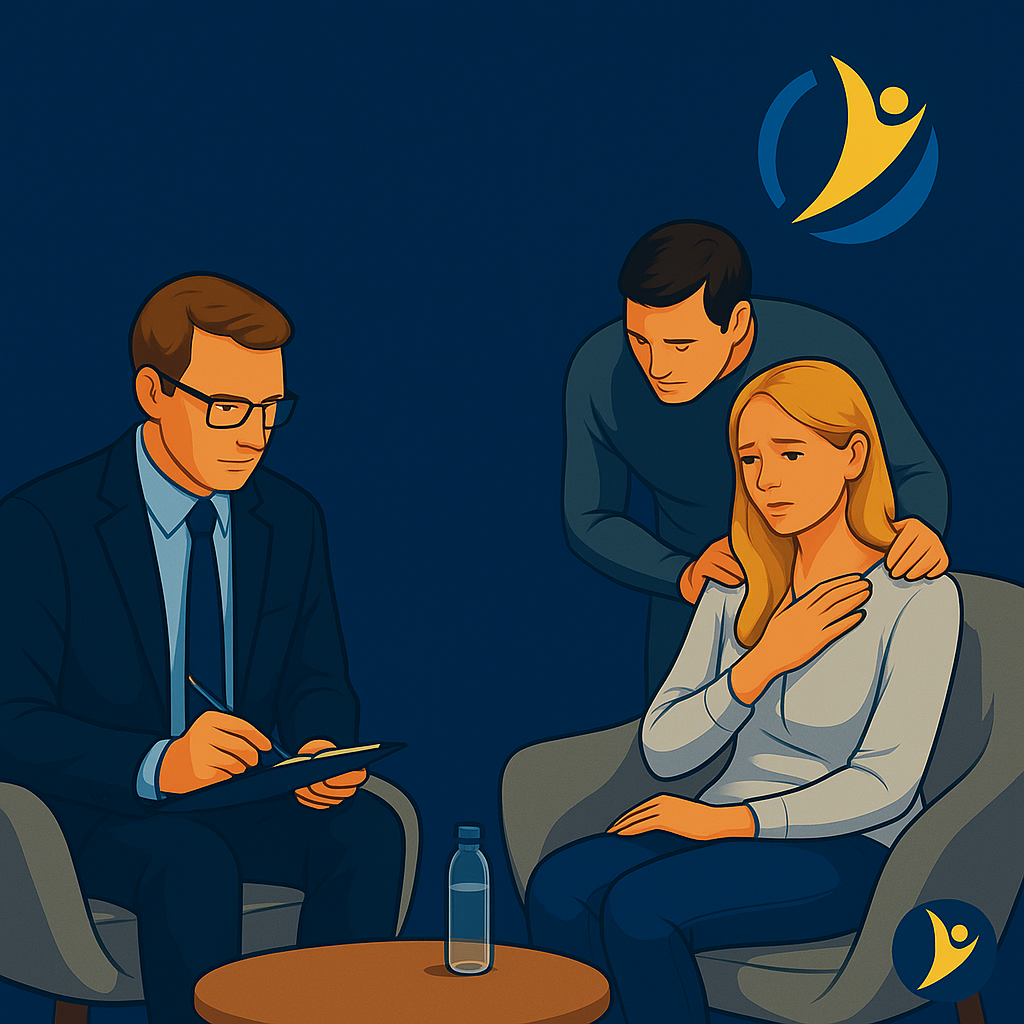
At PMG Care, we believe that addressing mental health should feel straightforward, meaningful, and tailored. Rather than navigating complicated insurance hoops or settling for brief check-ins, our membership model creates a space where you’re truly seen and heard. It emphasizes ongoing relationships, accessible communication, and thoughtful strategies that revolve around your unique story.
The path toward emotional balance and overall wellness is different for everyone. Some individuals may need help managing stress or anxiety, while others seek guidance through mood changes, trauma, or complex life challenges. In recent years, new models of support have reshaped how people access professional help, creating more personal and responsive experiences for patients. Among these, Direct Psychiatric Care has emerged as a compassionate and efficient approach that prioritizes connection, accessibility, and continuity between individuals and their mental health providers.
A Modern Approach to Mental Wellness
Traditional systems often require patients to navigate insurance hurdles, long wait times, and brief appointments that leave little room for meaningful dialogue. This new model focuses on eliminating those barriers. It emphasizes a closer and more responsive relationship between provider and patient, ensuring that treatment decisions are guided by shared understanding rather than administrative constraints.
This structure allows people to communicate openly, access appointments more quickly, and receive extended sessions when necessary. It’s designed to provide flexibility—meeting individuals where they are emotionally and logistically. The result is support that feels less transactional and more therapeutic, allowing people to focus on progress rather than process.
The Benefits of a Personalized Experience
When patients have open and consistent access to their clinician, they experience an enhanced level of trust and understanding. Regular, uninterrupted sessions create space for deeper exploration of thoughts and emotions. This continuity not only strengthens the therapeutic relationship but also promotes better outcomes through individualized strategies and consistent monitoring.
Personalized attention allows professionals to tailor treatment plans around specific needs, life goals, and comfort levels. Whether it involves medication management, therapy, or lifestyle adjustments, individuals remain active participants in every decision. This level of involvement often leads to greater satisfaction, adherence, and long-term wellness.
Focusing on Quality Over Quantity
In many traditional systems, providers may be required to see numerous patients in short time frames, often resulting in rushed visits. The updated model redefines this experience. By removing third-party limitations, clinicians can spend more time listening, assessing, and guiding their patients. The emphasis shifts from the number of appointments to the quality of interaction within each session.
Longer, more thoughtful appointments make it easier to address complex concerns—whether it’s a new diagnosis, ongoing treatment adjustment, or exploration of underlying emotional patterns. The entire process becomes more deliberate and effective, helping individuals feel heard and supported every step of the way.
Building Continuity and Trust
One of the most valuable aspects of this model is consistency. Patients interact with the same professional over time, fostering a stable, trusting relationship that becomes the cornerstone of their recovery journey. The provider gains a comprehensive understanding of the individual’s history, experiences, and evolving needs, which leads to more accurate assessments and personalized guidance.
This ongoing collaboration ensures that support remains dynamic and responsive. As people grow and their circumstances change, their treatment can adapt seamlessly without interruptions or delays. The sense of being genuinely known and understood often brings comfort and motivation, making it easier to stay engaged in the healing process.
Accessible Guidance in a Complex World
Emotional challenges rarely fit neatly into a schedule. Stressors can arise suddenly, and waiting weeks for an appointment may worsen symptoms. This progressive model was created to provide faster, more flexible access to professional help. Many practices offer virtual consultations, same-week appointments, or extended office hours to accommodate different lifestyles.
Accessibility extends beyond scheduling—it also encompasses communication. Patients may have the option to contact their provider directly for questions, medication concerns, or follow-up discussions. This immediacy helps prevent setbacks and encourages a proactive approach to emotional well-being.
An Empowering Experience for Patients
Empowerment lies at the heart of modern mental health support. When individuals feel respected, informed, and involved in their treatment, they become more confident in managing their well-being. This model nurtures empowerment by removing external pressures and allowing open, transparent communication between doctor and patient.
This approach fosters collaboration rather than compliance. Patients can express their preferences, discuss treatment options freely, and gain a deeper understanding of how their mind and body respond to different interventions. The process becomes a partnership built on mutual respect, compassion, and shared goals.
A Compassionate Future for Mental Health
The evolution of mental health services reflects a growing awareness that emotional wellness requires time, empathy, and individualized attention. Modern practices are embracing patient-centered methods that restore the human connection at the core of healing. This shift not only benefits individuals but also strengthens communities by promoting mental health literacy and encouraging early intervention.
Through this progressive model, emotional support becomes more than a medical service—it transforms into an ongoing relationship dedicated to understanding and growth. To learn more about how this approach can support your well-being, click here . Each session becomes an opportunity to develop resilience, explore personal insights, and move toward balance in a supportive and understanding environment.