Introduction
In the modern skyline of the UAE, Aluminium And Glass Work Dubai plays a central role in building facades, windows, doors, partitions, and decorative elements. Aluminium And Glass Work Dubai allows architects and builders to create sleek, light‑filled structures that balance style and function. In this article, we explore 15 important points about Aluminium And Glass Work Dubai — from design principles and material selection to maintenance and cost implications. Whether you are a homeowner, designer, or contractor, you will gain useful insights into how Aluminium And Glass Work Dubai is done, what challenges arise, and how to get the best results in Dubai’s environment. Let’s begin our journey into this fascinating field.
1. Importance of Aluminium And Glass Work Dubai in Modern Architecture
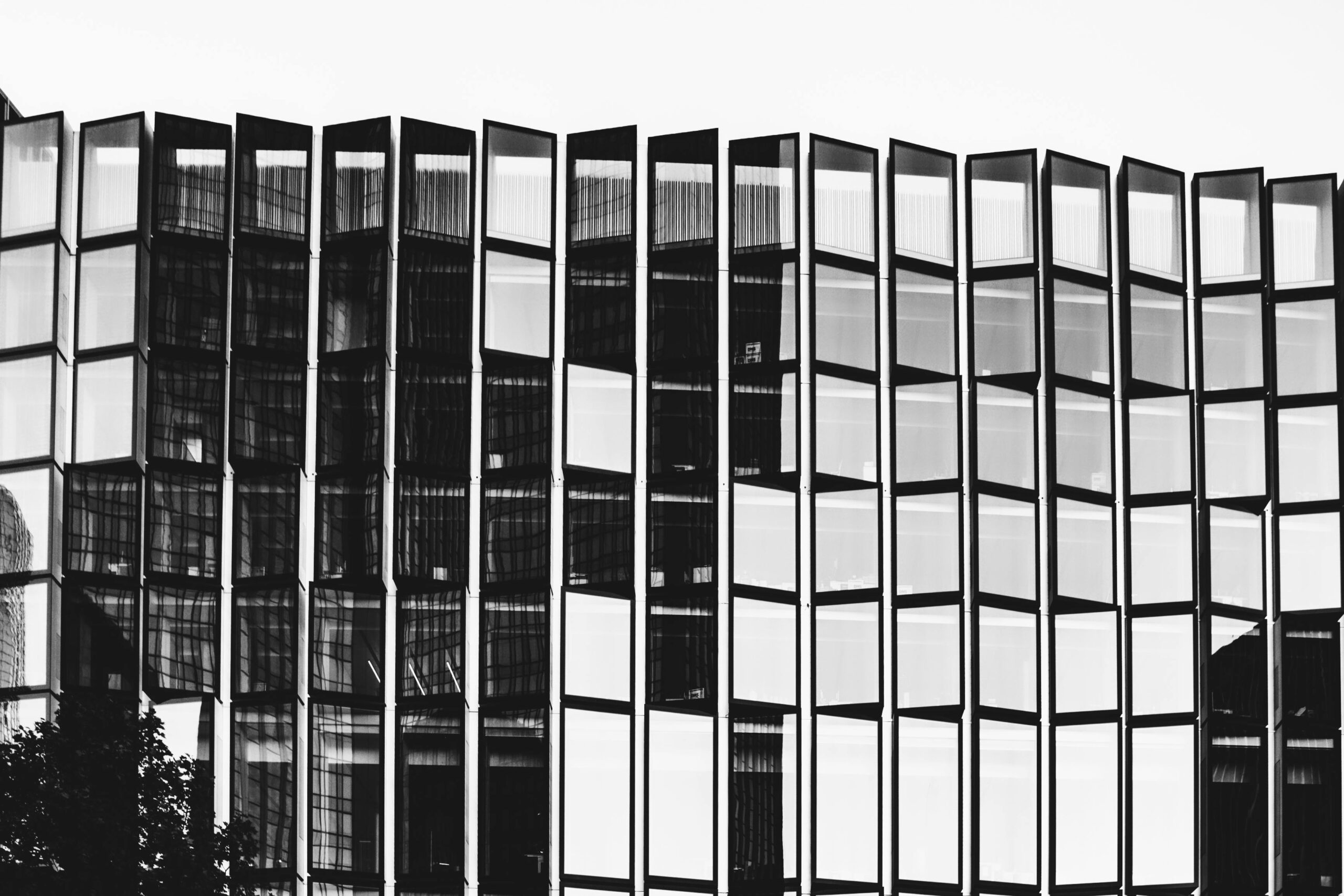
In Dubai, aesthetic appeal is a high priority, and Aluminium And Glass Work Dubai has become nearly ubiquitous in modern architecture. The reason is clear: aluminium frames are lightweight but strong, and glass can bring in natural light, offer transparent views, and create a visual connection between interior and exterior. By combining aluminium and glass, buildings achieve a contemporary look that feels open and clean. In a place like Dubai, where architectural design tends to emphasize minimal lines, reflective surfaces, and bold shapes, Aluminium And Glass Work Dubai helps bring those concepts to life. This combination also allows customization of color, finishing, and form to match the overall design vision of each project.
2. Key Materials Used in Aluminium And Glass Work Dubai
When you discuss Aluminium And Glass Work Dubai, the choice of materials matters a lot. For the aluminium part, high‑grade aluminum alloy is typically used, often with surface treatments or powder coating to resist corrosion and keep the frame durable under harsh weather. For the glass, tempered glass, laminated glass, double glazing, and low‑e coated glass are common. Tempered glass gives strength and safety, while laminated adds sound control and UV protection. Double glazing (two panes with a gap) helps in thermal insulation—very helpful in Dubai’s heat. Low‑emissivity (low‑e) coatings help reduce solar heat gain. Good quality materials ensure that Aluminium And Glass Work Dubai remains durable, safe, and energy efficient.
3. Benefits of Aluminium And Glass Work Dubai in the UAE Climate
One of the strongest arguments for Aluminium And Glass Work Dubai is its performance in the UAE’s climate. First, aluminium resists corrosion, which is critical given salt, humidity, and dust. Second, properly treated glass (e.g. low‑e, tinted, double glazed) can reduce heat gain and increase insulation. This cuts down on air conditioning load and energy bills. Third, the combination allows natural daylighting, improving occupant comfort and reducing artificial lighting needs. Fourth, aluminum and glass are low maintenance—they don’t warp, rot, or require constant repainting. Overall, Aluminium And Glass Work Dubai provides long‑term value when implemented correctly, especially in harsh weather conditions.
4. Types of Aluminium And Glass Systems in Dubai
There are several common systems within Aluminium And Glass Work Dubai that are often used in projects. These include curtain wall systems (large glazed façades with aluminium frames), windows and doors (sliding, swing, bi‑fold), glass partitions (for interior divisions), skylights and roof glazing, glass balustrades (railings), and shop fronts. Each system has design and engineering challenges. For instance, curtain wall systems must resist wind loads, water infiltration, and thermal movement. Bi‑fold doors must allow smooth operability. In all these, Aluminium And Glass Work Dubai must carefully consider structural integrity, sealing, drainage, and aesthetics. Choosing the right system for the application is critical to success.
5. Design Considerations for Aluminium And Glass Work Dubai
When planning Aluminium And Glass Work Dubai, designers must address several factors: structural loads (wind pressure, seismic), thermal expansion (aluminium and glass expand differently), drainage (to avoid water leakage), sealing (to prevent air or water infiltration), and load paths (how forces travel through frame to structure). Also, designers should consider sightlines, frame thickness, mullion spacing, and hardware integration. In Dubai, sun orientation is critical: façades facing west/south must reduce solar gain via shading devices or special glass. The design of Aluminium And Glass Work Dubai must balance structural safety, energy efficiency, and visual appeal while meeting local building codes and standards.
6. Fabrication and Manufacturing in Aluminium And Glass Work Dubai
Fabrication is a core part of Aluminium And Glass Work Dubai. After design, aluminium profiles are cut, machined, welded or joined, and surface finished (powder coated, anodized). Glass panels are cut, edged, tempered, laminated, or insulated. The workshop must maintain tight tolerances. Precision is essential for fitting, sealing, and smooth operation. Some companies in Dubai maintain in‑house fabrication shops to control quality. Because Aluminium And Glass Work Dubai often involves custom shapes and dimensions, skilled craftsmen and modern equipment are needed. Quality control during fabrication ensures that when installation occurs, pieces fit well and function as intended.
7. Installation Process for Aluminium And Glass Work Dubai
After fabrication, installation is the next crucial stage of Aluminium And Glass Work Dubai. On site, first the supporting structure is prepared. Then frames are fixed, aligned, leveled, and anchored securely. Next, sealing gaskets, weather seals, and drainage paths are introduced. Glass panels are inserted carefully, sealed, and fixed. Hardware such as hinges, handles, and sliding systems are installed and tested. Final sealing and finishing ensure water tightness and neat appearance. During Aluminium And Glass Work Dubai, alignment, squareness, and precision are vital; any misalignment can cause leaks or operational issues. A rigorous quality check follows to assure proper performance.
8. Challenges and Risks in Aluminium And Glass Work Dubai
Working on Aluminium And Glass Work Dubai comes with challenges. First, extreme heat and UV radiation may degrade seals or coatings over time. Second, wind loads—especially in high‑rise buildings—are high, so the system must resist them. Third, dust, sandstorms, and humidity put stress on joints and sealing. Fourth, transportation and handling of large glass panels risk breakage. Fifth, coordination issues on site (with other trades) may lead to delays or misalignment. Good planning, appropriate specifications, quality materials, and experienced contractors help mitigate these risks in Aluminium And Glass Work Dubai.
Conclusion
To conclude, Aluminium And Glass Work Dubai is an essential component of Dubai’s modern architecture, blending form, function, and durability. Throughout this article, we covered 15 key points—from benefits, materials, systems, design, fabrication, installation, maintenance, cost, innovations, and contractor selection. Choosing the right materials, adhering to local standards, and working with skilled contractors will ensure your aluminium and glass projects last and perform well. Dubai’s climate poses challenges, but with correct design and maintenance, Aluminium And Glass Work Dubai can thrive for decades. May your future building or renovation succeed beautifully, combining elegance, resilience, and utility through exemplary aluminium and glass work in Dubai.