In today’s digital-first world, creating powerful visual work is only half the job for photographers, illustrators, designers, and other visual artists. The other half is making sure people can actually find it.
Many talented artists struggle not because their work lacks quality, but because their online presence doesn’t match the strength of their portfolio. Search engines don’t automatically “discover” great art—you have to structure, position, and distribute it in a way that makes discovery possible.
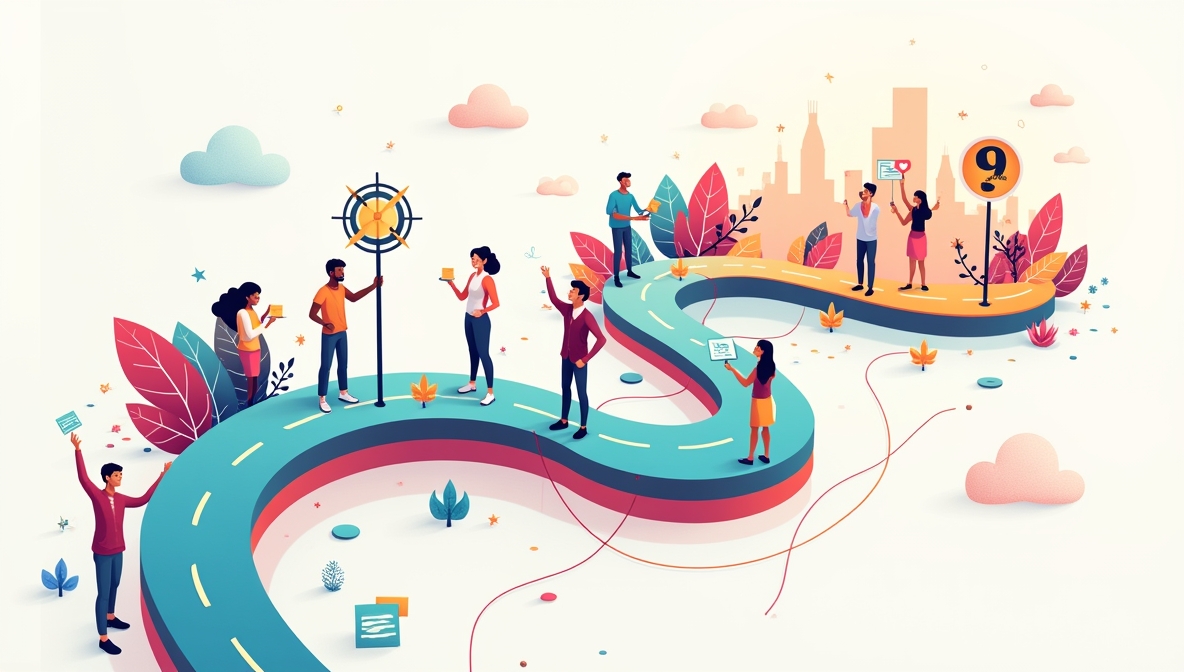
This guide breaks down a practical, step-by-step roadmap to improving online visibility for visual artists without relying on ads or overly technical jargon. The focus here is long-term, sustainable visibility that brings consistent attention to your work.
1. Understanding Visibility Beyond Social Media
A common misconception among visual artists is that visibility equals social media presence. While platforms like Instagram, Pinterest, or Behance are useful, they are not stable sources of long-term discovery, which is why working with an SEO consultant for photographers can help build more sustainable and search-driven visibility over time.
Social media reach is:
* Algorithm-dependent
* Short-lived (posts fade quickly)
* Competitive and saturated
* Limited in search engine indexing
True online visibility is broader. It includes:
* Search engine discovery (Google, Bing, etc.)
* Portfolio website ranking
* Image search appearance
* Blog and content discovery
* Backlinks from other sites
Think of social media as “rented space” and your website as “owned land.” This roadmap focuses heavily on strengthening the assets you own.
2. Building a Strong Foundation: Your Website as a Portfolio Hub
Your website is the central point of your visibility strategy. If it is weak, everything else loses effectiveness.
A strong visual artist website should include:
Clear structure
Organize your site so visitors can immediately understand:
* Who you are
* What type of work you do
* How to contact or hire you
Avoid cluttered navigation. Keep it simple:
* Home
* Portfolio
* About
* Services (if applicable)
* Blog or Insights
* Contact
Fast loading speed
Visual content can slow websites down significantly. Compress images without sacrificing quality and use optimized formats like WebP when possible.
Mobile-first design
Most users discover art on mobile devices. If your site doesn’t look good on a phone, you lose visibility signals and potential clients.
Dedicated pages for different work types
Instead of putting all your work in one gallery, create separate pages like:
* Portrait photography
* Wedding photography
* Editorial work
* Conceptual art
This helps search engines understand your niche more clearly.
3. Search Visibility Starts with Intent, Not Keywords
Many artists over-focus on keyword stuffing. The real key is understanding search intent—what people are actually looking for.
For example:
* Someone searching “wedding photographer in Jaipur” wants hiring options
* Someone searching “cinematic portrait lighting ideas” wants learning content
* Someone searching “fine art conceptual photography examples” wants inspiration
Your content should match these intents rather than just repeating phrases.
Instead of forcing keywords, structure your content like answers to real questions.
4. Image Optimization: Your Biggest Untapped Advantage
Visual artists have a major advantage in SEO that many ignore: image search.
Search engines can index your images, but only if you help them understand what they are.
Practical steps:
1. Use descriptive file names
Instead of:
* IMG_001.jpg
Use:
* cinematic-portrait-window-light.jpg
2. Add alt text properly
Describe the image naturally:
3. Compress images
Large images slow down your site, reducing rankings.
4. Use original images only
Avoid overused stock visuals—they dilute uniqueness and SEO value.
Image SEO alone can bring consistent long-term traffic if done properly.
5. Content Strategy: Teaching, Showing, and Storytelling
Search engines love helpful, consistent content. For visual artists, this doesn’t mean writing generic blogs—it means sharing insight around your creative process.
You can create content in three directions:
1. Educational content
Examples:
* How you light your portraits
* Your editing workflow
* Gear breakdowns for specific shoots
2. Portfolio storytelling
Instead of just showing images, explain:
* The concept behind the shoot
* Challenges during the project
* Creative decisions made
3. Industry insights
Examples:
* Trends in wedding photography styles
* Evolution of visual storytelling
* Common mistakes beginners make
This positions you as both an artist and a knowledgeable professional.
6. Building Topical Authority
Search engines rank websites higher when they clearly specialize in a subject.
Instead of posting random unrelated content, focus on a consistent theme.
For example:
If you are a portrait photographer, your content should revolve around:
* Portrait lighting
* Posing techniques
* Studio setups
* Emotional storytelling in portraits
Over time, this creates “topical authority,” making your site more likely to rank higher for related searches.
Random content weakens this signal. Focused content strengthens it.
7. Leveraging Backlinks Without Paid Promotion
Backlinks are links from other websites pointing to yours. They act as trust signals for search engines.
You don’t need aggressive outreach to build them. Instead, focus on natural exposure:
Ways to earn backlinks:
* Collaborate with bloggers or magazines
* Submit your work to photography features
* Write guest posts for creative websites
* Share behind-the-scenes stories with publications
* Participate in online exhibitions or showcases
Even a few strong backlinks can significantly improve visibility.
8. Local SEO for Client-Based Visual Artists
If you work with clients in a specific area, local visibility is crucial.
You should:
* Include your city/region naturally on your website
* Create a Google Business Profile
* Collect client reviews
* Add location-based project pages
For example:
Instead of just “Wedding Photography,” you might have:
* Wedding Photography in Punjab
* Destination Wedding Shoots in North India
This helps you appear in searches where clients are actively looking to hire.
9. Social Platforms as Traffic Funnels, Not Final Destinations
Social media is still useful—but not as the final goal. It should direct people back to your website.
Use platforms like:
* Instagram for previews and storytelling
* Pinterest for image discovery
* YouTube for behind-the-scenes or tutorials
But always guide users toward:
* Your portfolio site
* Your blog
* Your booking/contact page
Think of social platforms as “entry points,” not your main home.
10. Consistency: The Factor Most Artists Underestimate
Search visibility doesn’t improve overnight. It builds gradually.
A realistic rhythm might be:
* 2–4 blog posts per month
* Regular portfolio updates
* Ongoing image optimization
* Occasional collaboration or guest features
The artists who succeed long-term are not always the most talented—they are often the most consistent.
Search engines reward activity over time, not bursts of effort.
11. Tracking What Actually Works
Without measurement, you’re guessing.
You should monitor:
* Which pages get the most traffic
* Which images appear in search
* How long visitors stay on your site
* Which content leads to inquiries
Tools like Google Search Console and analytics platforms help you identify patterns.
Once you know what works, double down on it.
12. Common Mistakes That Limit Visibility
Many visual artists unintentionally limit their growth by:
* Posting only on social media without a website
* Using low-quality image optimization
* Ignoring SEO basics like titles and descriptions
* Having no consistent content strategy
* Not updating portfolios regularly
* Targeting too many unrelated styles
Fixing even a few of these can significantly improve discoverability.
Conclusion: Visibility Is a System, Not a Trick
Improving online visibility for visual artists is not about hacking algorithms or chasing viral moments. It is about building a structured system where your work is:
* Easy to find
* Easy to understand
* Consistently published
* Properly indexed
* Supported by meaningful content
When these elements work together, visibility becomes predictable rather than accidental.
Your art already has value. The goal is to make sure that value is discoverable by the people actively searching for it.
If you treat your online presence as part of your creative practice—not just a promotional tool—you’ll gradually build a presence that grows stronger with every piece you publish.