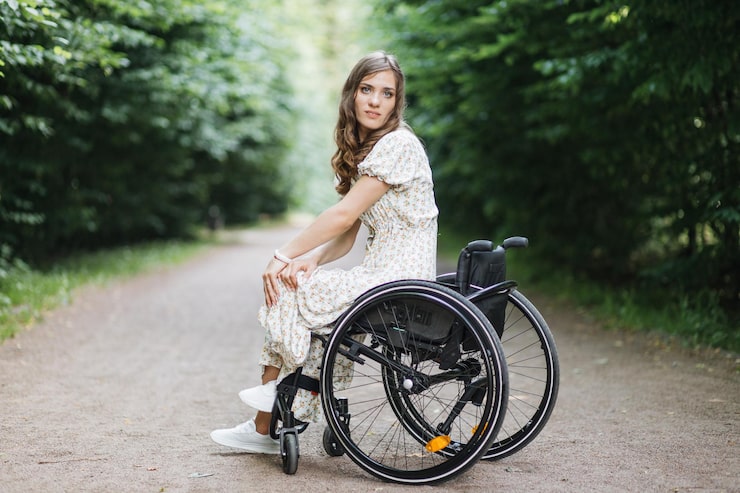
The desert Southwest offers a landscape of stark beauty, with red rocks, vast skies, and deep history. Our travels took us to Canyon de Chelly National Monument, a place where culture and nature intertwine. Hiking here is unique because it often requires a Navajo guide to enter the canyon floor. This experience offered a profound connection to the land and a lesson in navigating sand and heat.
Guided Access to the Canyon Floor
Unlike many parks where you roam freely, Canyon de Chelly restricts access to the canyon floor to protect its residents and ruins. We hired a guide and took our specialized wheelchair down the White House Ruin trail. The switchbacks were rocky but manageable. Being on the canyon floor, surrounded by towering walls and ancient history, was a spiritual experience.
Dealing with Sand and Heat
Desert hiking presents two main enemies: deep sand and high heat. We timed our hikes for the morning to avoid the midday sun. For sand, we lowered our tire pressure to increase surface area. In some sections, we had to pull the chair backwards to keep the front wheel from digging in. It was a physical workout, but the solitude was the reward.
Cultural Connection and Respect
Hiking with a local guide added a layer of depth to our visit. We learned about the history of the Navajo people and their connection to the land. Kellisa, who loves people, enjoyed the interaction. It reminded us that National Parks are not just geological features; they are cultural landscapes that demand respect and understanding.
Big Bend and the Border
Our desert adventures also took us to Big Bend National Park in Texas. This remote park offers vast distances and rugged trails. We hiked into Santa Elena Canyon, where the Rio Grande cuts through the mesa. The trail was rough, but the view of the canyon walls rising from the river was spectacular. It highlighted the diversity of the borderlands.
Hydration and Health in Arid Climates
In the desert, hydration is life. With a G-tube, we can easily keep Kellisa hydrated, which is a huge advantage. We carry liters of water and electrolyte mixes. We also use sunshades and cooling towels to prevent overheating. A practical wheelchair guide to national parks must emphasize the dangers of dehydration in these environments.
The Beauty of the Desert Night
One of the best parts of desert camping is the night sky. Far from city lights, the stars are overwhelming. We spent evenings sitting by the campfire, pointing out constellations to Kellisa. The cool desert air after a hot day is refreshing. These quiet moments of wonder are what keep us coming back to the wild.
Conclusion
The desert is a harsh but rewarding teacher. It demands preparation but offers beauty that is unmatched. Our wheelchair has left tracks in the red sands of the Southwest, proving that the desert is open to all.
Pack your water, respect the heat, and discover the magic of the canyons. The desert is waiting to tell you its secrets.